
June 15, 2026 · 13 min read
How to Take Photos That Sell on Facebook Marketplace (2026)
Sell items faster on Facebook Marketplace with clean, professional photos. Learn how to remove the background free with AI — no app, no watermark — plus lighting, staging, and listing tips for 2026.
Facebook Marketplace has quietly become one of the biggest second-hand stores on the planet. Furniture, phones, bikes, kids' gear, appliances — millions of items change hands every day, and most of them sell to whoever scrolls past at the right moment. The difference between an item that vanishes in an afternoon and one that sits for weeks is almost never the price. It's the photo. A clean, well-lit, distraction-free image stops the scroll, builds trust, and makes a used item look like something worth driving across town for. The single highest-impact edit you can make is removing the messy background — and in 2026 you can do it free, in your browser, in a few seconds. This guide covers exactly how, plus the lighting and listing habits that turn a casual seller into one who clears out a whole house fast.
Why your photo decides whether the item sells
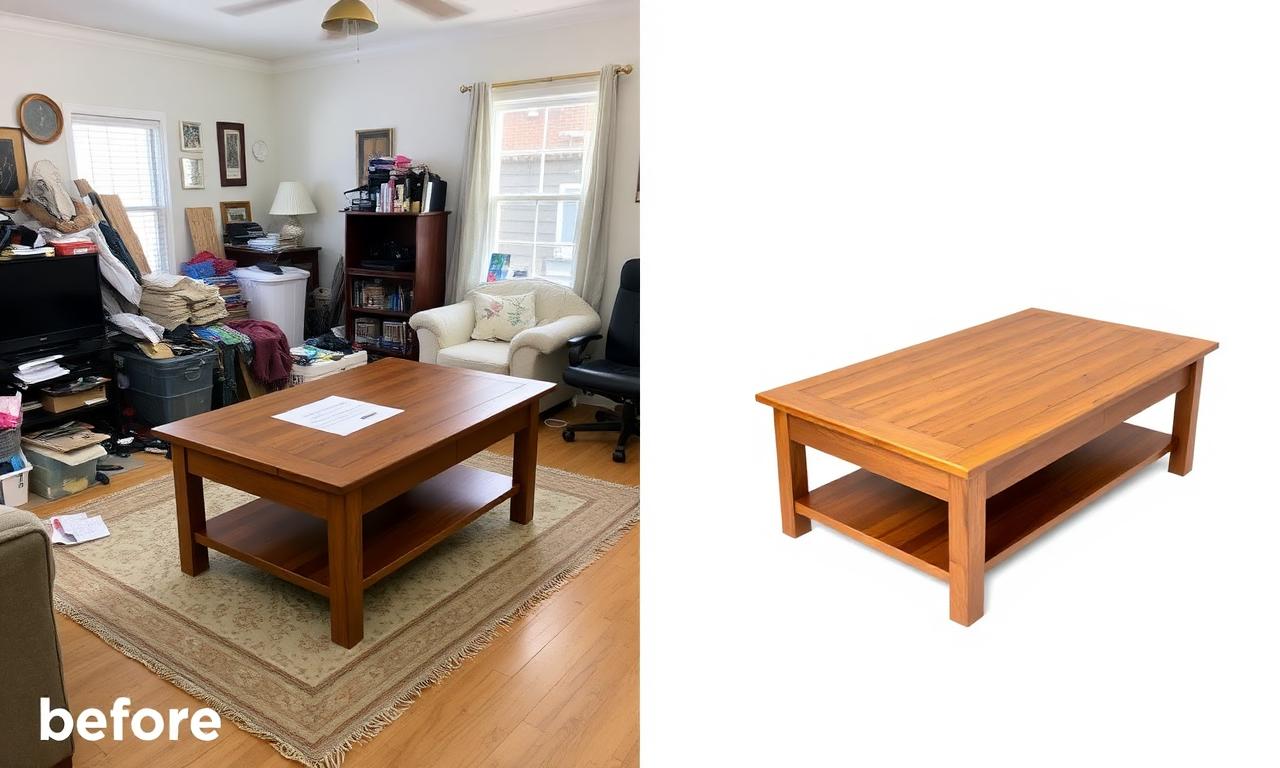
Marketplace is a thumbnail game. Buyers browse a dense grid of small images and make snap judgments — tap or keep scrolling — in a fraction of a second. When your photo is full of background clutter (a carpet, a half-open closet, laundry on a chair), the eye has to work to find the actual item. That friction is enough to lose the tap. A clean background does the opposite: it isolates the product, signals that you cared enough to present it well, and makes the listing feel legitimate rather than a quick phone snap.
There's a trust factor too. On a peer-to-peer platform, buyers can't inspect the item in person, so they read everything into the photo. A cluttered, dim image makes people wonder what else you didn't bother with. A crisp, bright photo on a neutral background reads as "this person is organized and the item is well kept" — which directly lowers the buyer's perceived risk and gets you fewer lowball offers.
And it compounds across your whole profile. If you sell regularly, a consistent clean look across every listing makes your seller page feel like a real shop. That consistency is exactly what high-volume sellers use to move inventory quickly, and it costs nothing to copy.

The fast way: remove the background in your browser
You don't need a photo studio, an editing subscription, or even a separate app. The quickest route in 2026 is a browser-based AI background remover that works on your phone or laptop. The full workflow:
- Open the tool. Go to the MagicBG background remover in any browser — no install, no signup.
- Upload your photo. Drag the image in or pick it from your camera roll. The AI separates the item from the background automatically.
- Download the transparent PNG. A few seconds later you get a clean cutout with the background gone and no watermark.
- Add a backdrop (optional). Drop the cutout onto a solid white or soft neutral color so every listing matches.
Because the processing runs on your device, your photos never get uploaded to a server — a real plus when you're snapping pictures around your home. New to this? Our step-by-step guide to removing a background from any picture walks through the same flow with examples.
White background or staged scene?
Marketplace is a bit different from a pure retail store, and the best background depends on the item. For small, portable goods — electronics, tools, clothing, kitchenware, kids' items — a clean white or light neutral background looks like catalog product photography and works every time. For large furniture, many buyers actually want to see the piece in a room so they can judge scale and style.
The pro move handles both: remove the background to get a clean transparent PNG as your cover shot (the image that shows in search results and stops the scroll), then include one or two honest in-room photos further down the listing so buyers can picture the item in a real space. You get the click-through power of a clean thumbnail and the context buyers need to commit.
Shoot a photo the AI can cut perfectly
AI background removal is excellent, but it does its best work when you give it a clean input. A few habits at the photography stage make the difference between a flawless cutout and one you have to fix:
- Use daylight. Shoot near a window during the day. Soft, even natural light avoids the harsh shadows that the AI can mistake for part of the item.
- Create contrast. Put dark items on a light surface and light items on a darker one. The bigger the gap between item and background, the cleaner the edge.
- Avoid busy surfaces. A plain wall, a bedsheet, or a sheet of poster board beats a patterned rug. Patterns near the item's edge are the main cause of rough cutouts.
- Fill the frame. Get close enough that the item dominates the shot. More detail means a sharper edge and a higher-resolution final image.
- Hold steady. A blurry photo blurs the edge between item and background. Brace the phone against something or use a 2-second timer.
- Clean the item first. Wipe off dust, fingerprints, and pet hair. The AI removes the background, not the grime.
For furniture and large items that you can't move, photograph the piece from its best angle in the tidiest spot you have, then let the AI cut away whatever room clutter is behind it. Even a quick tidy of the immediate area helps the model find clean edges.
Tips by item category
Furniture
The big sellers. Shoot the whole piece from a slight angle so buyers see depth, fill the frame, and use the cutout as your cover. Add a second photo in the room for scale, plus close-ups of any wear so the listing is honest. A clean cover photo of a sofa or table dramatically outperforms one buried in a busy living room.
Electronics and phones
Buyers are wary of scams here, so clarity builds trust. Photograph the device on a plain surface, remove the background, and place it on clean white so it looks like a retail listing. Always add real, unedited close-ups of the screen and any scratches — clean presentation plus honest detail is the combination that sells fast.
Clothing and shoes
Lay items flat and smooth out wrinkles, or hang them against a plain wall. Flat lays are the most forgiving for AI removal because the item sits on one even surface. A consistent backdrop across all your clothing listings makes your profile look like a boutique.
Bikes, tools, and gear
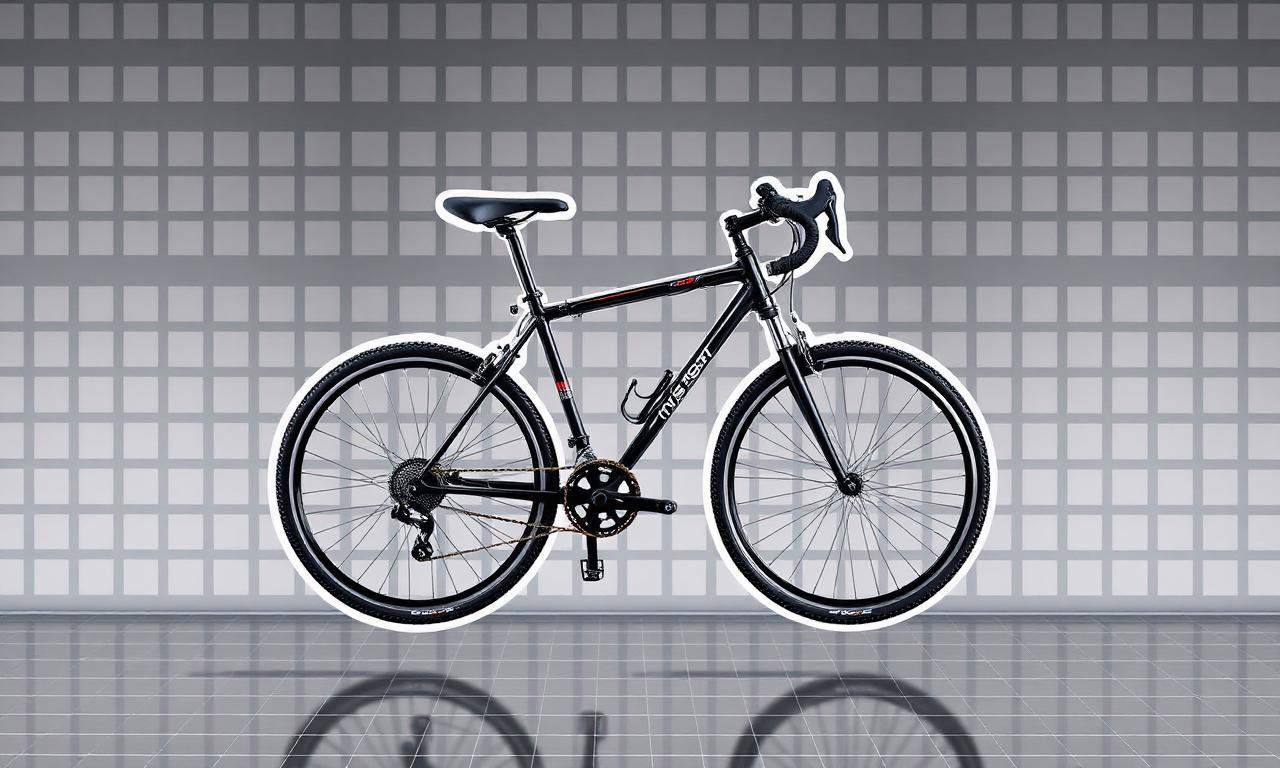
Wheel the bike outside against a plain wall or garage door, or shoot tools on a clean workbench. Remove the background to get a clean cover, then add detail shots of the drivetrain, brand markings, or any damage. Thin spokes and cables cut surprisingly well with modern AI when there's good contrast.
Handling tricky items: chrome, glass, and fine detail
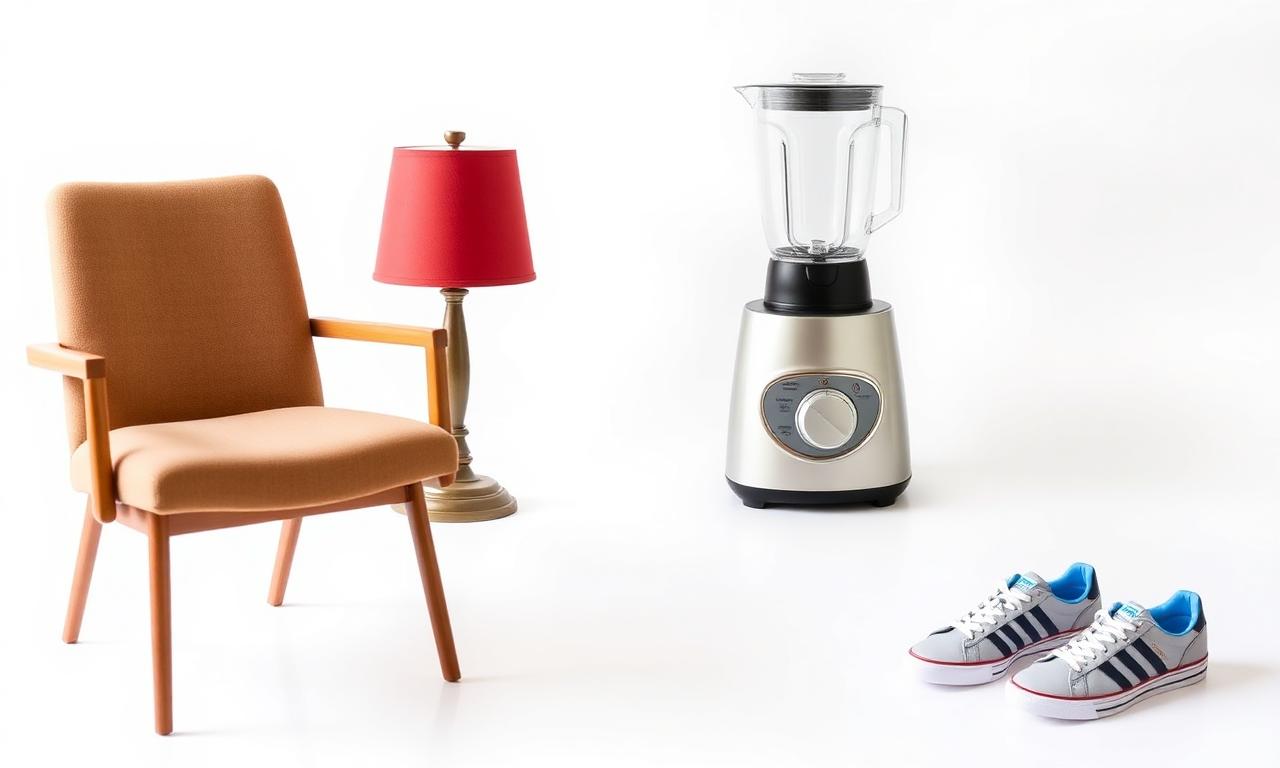
Some items are harder to cut than others. Reflective surfaces (chrome, patent leather, polished metal), transparent objects (glassware, sunglasses), and fine detail (lace, bike spokes, jewelry chains) can challenge any tool. Modern segmentation models handle these far better than the old manual lasso, but a couple of tricks help:
- For shiny items: diffuse your light to soften hot spots and reflections that can confuse where the item ends.
- For fine detail: shoot against the most contrasting background you can, then zoom to 100% and check the edges before you publish.
- For transparent items: place them on a clearly different color so the background showing through is obvious to the model.
If a cutout comes out with a jagged or fringed edge, it's usually fixable in seconds. Our guide on fixing jagged edges after background removal covers the cleanup so your final image looks crisp.
A batch workflow for clearing out a whole house
Moving, decluttering, or doing a big clear-out? Listing items one at a time is exhausting. Build a small production line instead:
- Shoot everything first. Set up your light and surface once, then photograph every item back to back. Don't stop to edit between shots.
- Remove backgrounds in one session. Run each photo through the remover in a single sitting. Because it's instant and free, you can clear dozens of items quickly.
- Apply one backdrop. Pick a single background color and use it on every cutout for that signature consistent grid.
- Name and stage files. Save exports with the item name so writing the listings later is fast.
Batching turns the tedious part of selling into a 30-minute task and leaves you with a library of clean, ready-to-post photos you can list whenever you have a spare moment.
Common mistakes that cost you sales
- One dark, cluttered photo. The most common reason an item doesn't sell. Brighten it and clear the background.
- Over-cropping the item. Cutting off a leg or handle makes a listing look careless. Leave margin around the cutout.
- Mixing backgrounds. Some white, some carpet, some garage floor — inconsistency makes a profile look thrown together. Pick one look and stick to it.
- Hiding flaws. Use a clean background to present the item clearly, then add honest close-ups of any wear. Buyers reward transparency.
- Forgetting the cover shot. Your first image is the one that shows in search. Make it your cleanest cutout.
- Only one photo. Add several angles. Clean cover, in-context shot, and detail close-ups together close the sale.
FAQ
Is it allowed to edit photos on Facebook Marketplace?
Yes. Removing the background and adjusting brightness to present an item clearly is completely fine and common. What's not allowed is editing the item itself to hide damage or misrepresent it, so always add honest close-ups of any flaws.
Do I need to pay for an app to get clean Marketplace photos?
No. MagicBG removes backgrounds free in your browser with no watermark, signup, or daily limit, so you can photograph and list as many items as you want without spending anything.
Should I use a white background or show the item in a room?
For small items, a clean white or neutral background works best and looks professional. For furniture, use a clean cutout as your cover shot to stop the scroll, then add an in-room photo so buyers can judge scale and style. Keeping a transparent PNG as your master file lets you do both from one export.
Can I do all of this on my phone?
Yes. The whole workflow — shoot, remove the background, add a backdrop, and post — runs in your phone's browser, so you never need to move files to a computer.
Bottom line
On Facebook Marketplace, your photo is the product until the buyer sees it in person. A clean background is the cheapest, fastest upgrade you can make: it sharpens your thumbnails, builds trust, and gives your listings a consistent, professional look that sells faster. In 2026 it takes one upload and a few seconds — free, no app, no watermark. Open the MagicBG home page, drop in your first item, and start selling everything faster.